
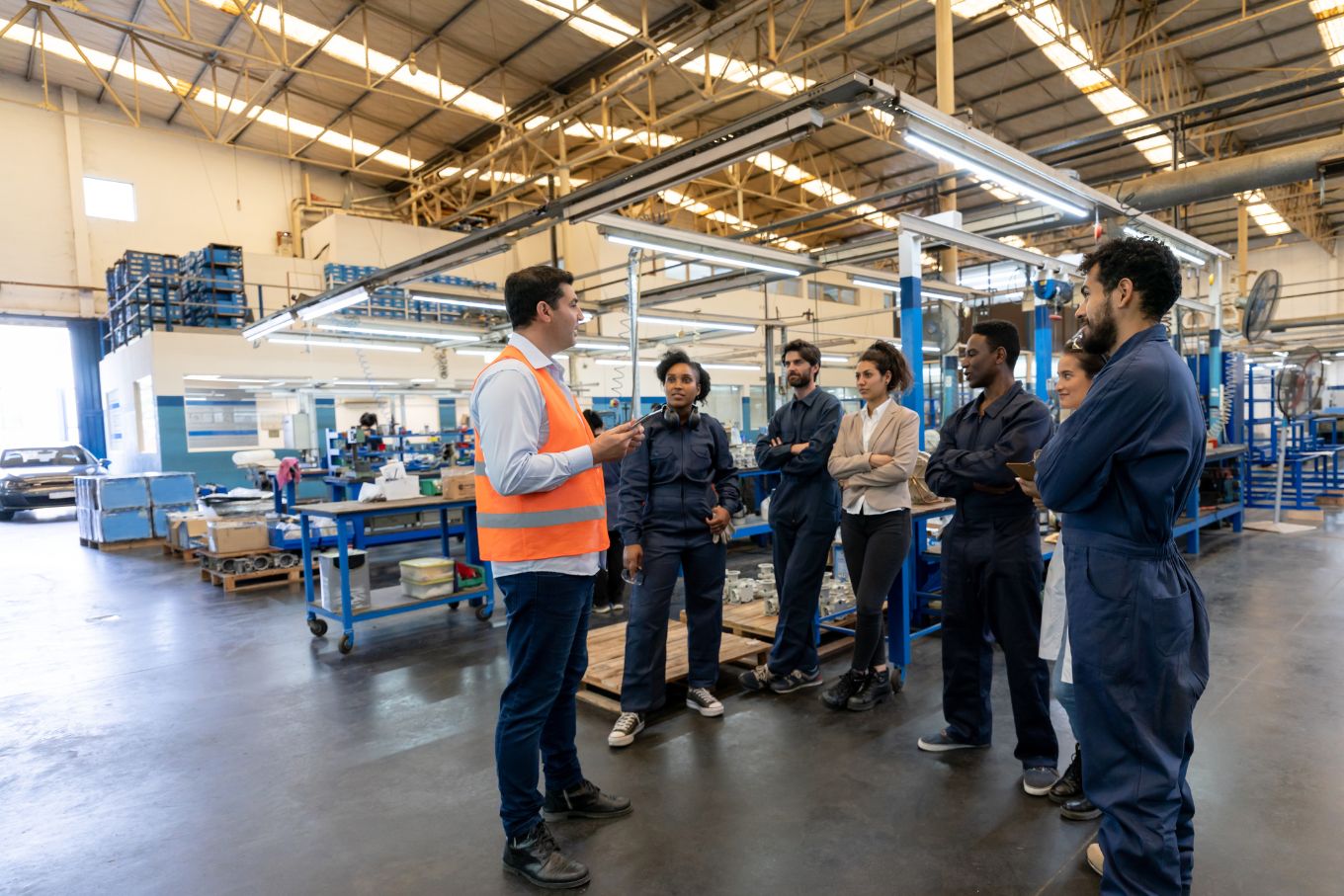
The manufacturing sector is the backbone of the global economy, characterized by rapid technological advancement and highly dynamic labor requirements. Amidst this constant operational evolution, executive leaders face an incredibly stringent and unforgiving regulatory environment. Managing HR and payroll compliance for manufacturing requires meticulous attention to detail because the financial and operational costs of administrative errors are exceptionally high.
Unlike traditional office environments, manufacturing environments introduce unique complexities. From intricate shift schedules and piece-rate compensation to rigorous federal safety mandates, HR leaders must build a proactive, bulletproof compliance strategy. Failing to do so can result in severe financial penalties, operational downtime, and damaged employee trust.
Here is a deep dive into the major compliance considerations manufacturing leaders must navigate and how to safeguard your organization against costly regulatory missteps.
Complex Wage and Hour Regulations
Payroll in a manufacturing environment is notoriously complex and is often the primary source of costly compliance violations. The Fair Labor Standards Act (FLSA) dictates strict federal rules regarding minimum wage and overtime pay. However, calculating the regular rate of pay for a manufacturing employee is rarely a straightforward equation.
When employees receive shift differentials for working nights, production bonuses for hitting quotas, or piece-rate compensation, these additional earnings must be factored into their regular rate of pay before calculating their time-and-a-half overtime rate. Failing to include non-discretionary bonuses in overtime calculations is a common trap that leads to massive wage theft lawsuits.
Another frequent compliance hurdle unique to manufacturing is the concept of “donning and doffing.” This refers to the time employees spend putting on and taking off essential protective gear or sanitary clothing. Depending on the specific gear and federal or union regulations, this time is often considered compensable hours worked. Employers must rely on robust timekeeping systems and conduct meticulous payroll audits to ensure every minute of required labor is accurately tracked and compensated.
Prioritizing OSHA and Workplace Safety
You cannot discuss manufacturing without addressing the Occupational Safety and Health Administration (OSHA). Ensuring physical safety is the absolute top priority on any production floor, and the HR department plays a critical role in managing this ecosystem.
HR is typically responsible for maintaining comprehensive safety training records, managing workers’ compensation claims, and overseeing strict federal reporting requirements. This includes maintaining the OSHA 300 log, which tracks work-related injuries and illnesses. A failure to document safety incidents accurately or report severe injuries within the mandated timeframe can trigger extensive federal audits and hefty fines. Furthermore, HR leaders must cultivate a strong culture of psychological safety where employees feel comfortable reporting physical hazards without the fear of retaliation.
Navigating FMLA and Complex Leave Management
Leave management is a significant logistical hurdle for production facilities. The Family and Medical Leave Act (FMLA) allows eligible employees to take unpaid, job-protected leave for specific family and medical reasons. Managing intermittent FMLA leave is particularly disruptive in a manufacturing setting. When an assembly line worker takes an unpredictable, legally protected absence, it directly impacts production quotas and forces managers to scramble for shift coverage.
HR teams must track these intermittent leave hours meticulously to prevent abuse while ensuring total, unquestionable compliance with federal law. When managing operations across multiple jurisdictions, HR must also layer state-specific paid sick leave and family leave mandates on top of these baseline federal requirements, creating a complex web of overlapping compliance rules.
Union Contracts and Labor Relations
Many manufacturing facilities operate with a unionized workforce, which adds another layer of compliance obligations to daily operations. HR and payroll teams must adhere strictly to the terms negotiated within Collective Bargaining Agreements (CBAs). These legally binding contracts often dictate highly specific rules for seniority-based pay increases, overtime distribution protocols, and rigid disciplinary procedures.
Navigating employee grievances and maintaining a cooperative relationship with union representatives is an essential daily function. Employers must also stay constantly updated on rulings from the National Labor Relations Board (NLRB) to ensure their workplace policies do not inadvertently infringe upon workers’ rights to organize, form unions, or communicate openly about their working conditions.
I-9 Compliance and Workforce Audits
The manufacturing sector relies heavily on a dynamic workforce, making strict adherence to federal employment eligibility rules a top priority. Federal regulatory agencies have increasingly prioritized rigorous workforce audits to ensure all employees are legally authorized to work in the United States. For HR leaders, this transforms basic onboarding steps into a high-stakes compliance duty.
Managing Form I-9 documentation might seem like a simple administrative task. However, the federal government has zero tolerance for clerical mistakes. Technical errors, missed signatures, or expired documentation can result in massive financial penalties per individual violation, even if the employee is legally authorized to work. To mitigate this risk, HR teams must implement proactive, regular internal audits of their I-9 files to ensure absolute accuracy long before a formal federal inspection ever occurs.
Maximize Your Manufacturing Efficiency with Corban OneSource
The sheer volume of federal, state, and local regulations makes HR and payroll compliance for manufacturing an overwhelming burden for internal teams. When your HR professionals are bogged down by administrative tasks, payroll calculations, and compliance fears, they cannot focus on strategic initiatives like talent retention, leadership development, and workforce planning. This is where partnering with an expert HR Outsourcing (HRO) firm becomes a massive strategic advantage.
At Corban OneSource, we specialize in managing the heavy administrative lifting for mid-market companies. We deeply understand the unique, high-stakes complexities of the manufacturing industry. Our dedicated teams of experts can seamlessly manage your complex shift-based payroll calculations, administer your corporate benefits, and ensure total multi-state HR compliance.
By trusting Corban OneSource to handle your day-to-day HR and payroll operations in manufacturing, your internal leadership team is completely freed up to focus on what truly matters: optimizing production efficiency, driving a positive company culture, and growing your bottom line.
Connect with us to learn more about HR Outsourcing!